TL;DR: Building a product is cheaper than ever, which means it is easier than ever to build something nobody wants. Instead of over-engineering dashboards and pricing tiers, isolate the single most painful problem your buyer has. Run a manual pilot to validate their willingness to pay, measure the results, and only write code to automate the steps that actually work.
To build a minimum viable product for B2B SaaS, choose one specific buyer and identify their most painful problem. Deliver the solution manually first through a concierge pilot to validate willingness to pay. Once a subset of your pilot cohort proves they will pay for the outcome, build the automated software for that single workflow while cutting all non-essential features.
It is common to see founders use AI tools to generate a polished web app over a weekend. They add authentication, payment integration, complex dashboards, and toggleable light and dark modes. They spend three weeks debating the pricing page.
Then they launch, discover the problem they solved was not painful enough to make anyone switch workflows, and shut the project down.
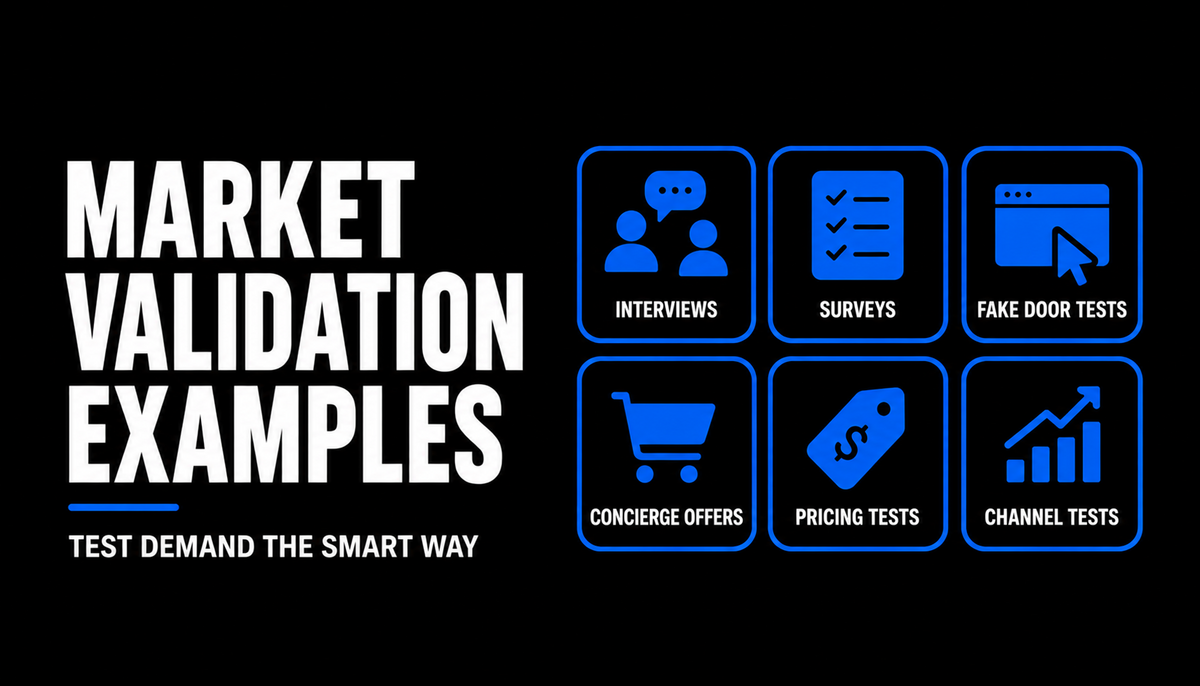
When you replace validation with building, you get activity without progress. The point of an early product is not to ship software. It is to find out if anyone cares enough to pay you, as cheaply and quickly as possible. Because first attempts at product-market fit almost never work, you should avoid a large upfront build when a faster artifact can test demand.
Here is how to scope, build, and validate a B2B SaaS MVP without wasting capital on the wrong code.
The Core Focus: One Painful Pain
A B2B startup must force a hard choice about the ideal customer profile and their use case. Avoiding the choice keeps the project stuck.
Do not try to solve five problems for three different types of buyers. Pick one specific buyer. Find the one problem that causes them the most daily friction or financial loss. Your product should do nothing else at first.
If you view an MVP as a learning vehicle rather than a miniature version of a full platform, it becomes easier to cut scope. You do not need broad settings or automated data pipelines to test whether a problem hurts. You just need a way to solve the problem once, reliably.
A true MVP definition is not a broken or low-quality product. It is a tightly scoped artifact designed to test your riskiest assumption as cheaply as possible. If you need help structuring this, a minimum viable product canvas can force you to write down your exact B2B target, the core value, and your validation metric before you start.
The Concierge Pilot
Founders often believe their software must be automated from day one. In reality, the best early-stage test is usually a concierge pilot.
Instead of building a scalable engine, you sell the outcome and deliver it manually.
Imagine you pitch an AI-driven workflow optimization tool to ten B2B buyers. You sell a 14-day pilot. But behind the scenes, you do not have a complex AI system routing data. You have a human expert running the workflow. You observe how the customer uses the output. You figure out what actually saves them time.
You set a strict rule: you will only engineer the automated solution after a specific target — for example, 40% of the pilot cohort — proves their willingness to pay for the manual output. Doing things that do not scale lets you learn the customer's actual context before writing code that locks you into the wrong assumptions.
The Phased MVP Checklist
Building too much too soon is the most common reason startups fail. Use this phased checklist to restrict your B2B SaaS MVP scope.
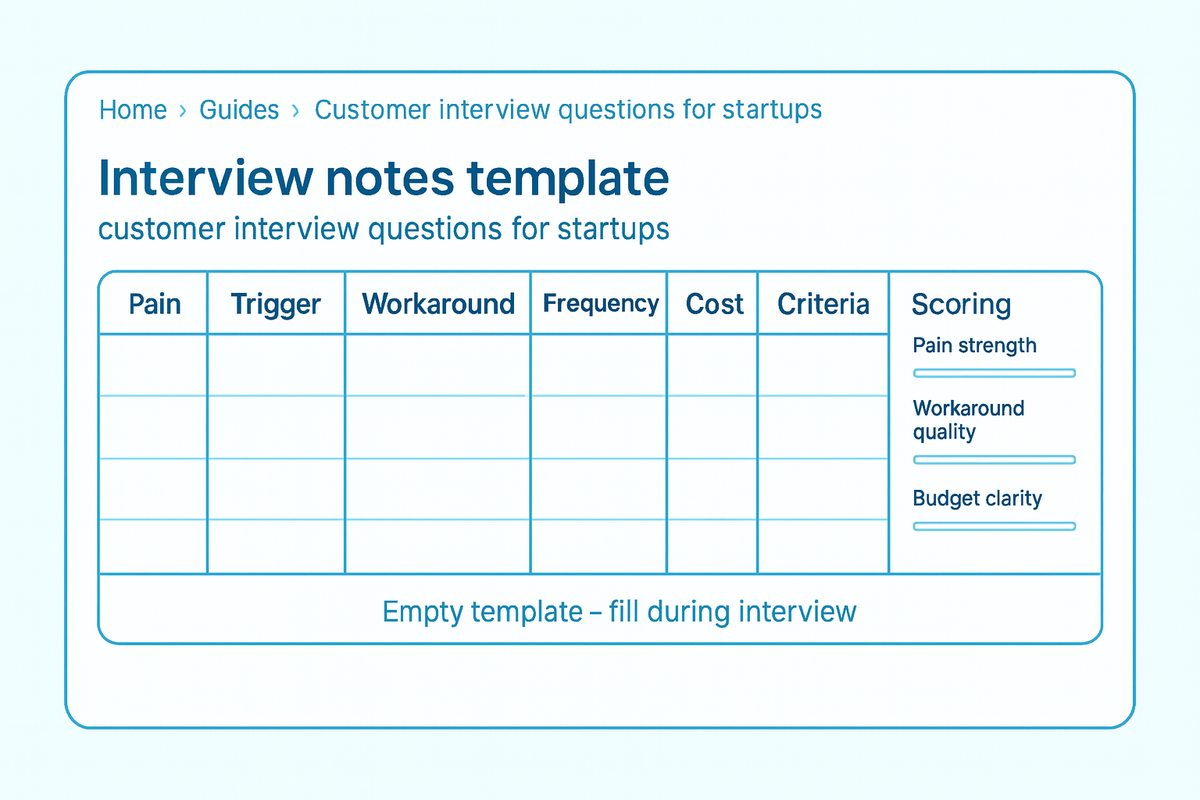
Discover: Understand past buyer behavior and current workarounds. Cut hypothetical questions like "would you use this?". The validation signal is the buyer currently spending time or money trying to fix the problem. If the pain is not severe enough, find a new problem.
Scope: Filter your feature list to resolve only the core pain. Cut polished dashboards, automated onboarding sequences, multi-tier pricing plans. The validation signal is the core problem can be solved with a single workflow. If struggling to remove features, run a minimum viable product exercise.
Build or Concierge: Test the promise as cheaply as possible. Cut full software automation, settings, complex user roles. The validation signal is core value can be delivered manually or through a simple happy-path build. Run a manual pilot first if possible; otherwise, build the minimum code.
Launch and Recruit: Deeply understand the buyer's workflow. Cut waiting for inbound traffic, scalable acquisition processes. The validation signal is securing manual commitments from alpha B2B customers where they already are. Sit with them during manual early onboarding.
Learn and Decide: Measure whether the customer got actual value. Cut vanity metrics, user perceptions instead of actions. The validation signal is customers return, use the output, and pay for it. If the test fails, pivot. If it succeeds, start automating.
Avoid the Edge Case Trap
As you scope your build, you will find edge cases. A customer might mention they occasionally need to process a legacy file format.
Do not delay your launch by a month to build support for twelve different file formats just because it is technically possible. Measure how often users actually encounter that edge case and how much it costs the deal when the software fails. Launch with support for the single most common format. You can build the edge cases later, once you know they are worth the engineering time.
FAQ
Why plan an MVP when AI can build a product instantly?
Because AI makes it faster to build software nobody needs. The speed of writing code does not change the risk of solving the wrong problem. A tighter scope forces you to validate the core pain and willingness to pay before you scale the rest of the business.What features should a B2B SaaS MVP include?
It should only include the features required to solve the single most painful problem for your chosen buyer. Cut everything else — complex dashboards, multiple pricing tiers, and automated onboarding. Focus entirely on delivering the core outcome reliably.How long should it take to build an MVP?
If you use a concierge pilot, you can launch immediately by selling the manual service. If you must write code, aim for days or a few weeks, not months. The goal is to learn quickly, and a longer build cycle delays validation.Should my MVP's onboarding be scalable?
No. Founders often look at successful onboarding flows like Superhuman's and think they need an automated sequence. Early on, your goal is to understand the customer, not to impress them with scale. Manual onboarding gives you the context you need to make the product defensible later.