TL;DR: Founders often delay asking for money because the product is not finished. They polish pitch decks and pricing tiers instead. But vision without traction is just a story. To prove demand, act as a design partner. Find a fast-moving customer segment, offer to solve their problem like an outsourced engineering team, and ask for payment before writing code.
What is preselling a startup?
Preselling a startup means securing payment or a binding commitment from a customer to solve a specific problem before you build the software. It proves real willingness to pay and derisks your commercial model.
The Polite Fiction of "Would You Buy This?"
Many founders hesitate to ask for money before the product exists. They spend weeks tweaking pricing models. They draft strict legal clauses for letters of intent. They polish their pitch decks. They do everything except test actual willingness to pay.
Asking a prospect "would you buy this?" forces them to give you a polite hypothetical. People like to encourage founders, and encouragement costs nothing. But excitement is not demand. A prospect saying your idea sounds interesting is not proof.
If a buyer avoids paying for the outcome before the code exists, the polished app might not fix their problem either. Money changes the conversation. It proves the pain is real. Before you build, you need proof of demand. Revenue is a very strong signal.
The 5-Step Presell Workflow
If you want to validate demand before committing heavy engineering resources, follow this sequence to structure your offer, set expectations, and collect early payments.
1. Pick the Easiest Target, Not the Obvious One
Segment choice determines if preselling is even possible. Founders often target the biggest, most obvious buyers first. But enterprise buyers have months-long procurement cycles and legal walls. You usually lack time for that. Look for the easiest early segment.
Take a B2B sustainability startup as an illustrative example. The obvious targets were large corporate sustainability teams. But market research showed that corporate buyers moved too slowly. The founders targeted sustainability consultants and green SMBs instead. These smaller companies had the same pain, clear budgets, and almost no internal friction. They could say yes in a week.
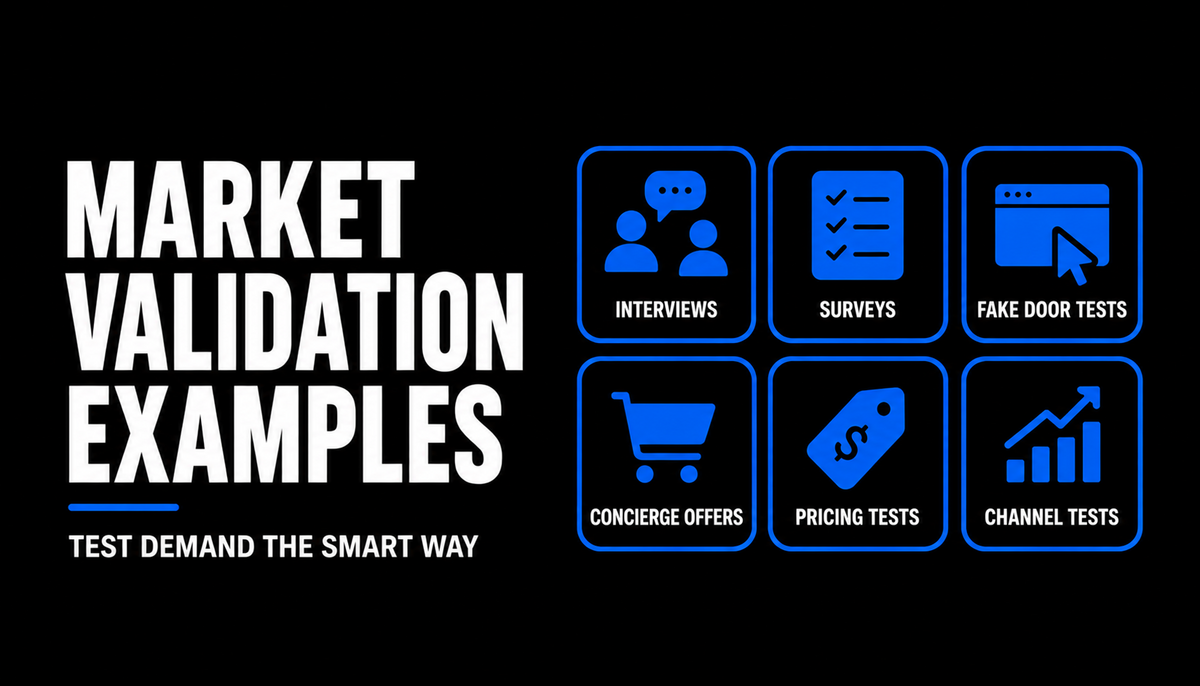
Find the buyers who already feel the pain and have the authority to spend. If you are unsure how to evaluate these segments, check this guide on market validation.
2. Frame the Presale as a Design Partner Offer
You are not selling unfinished self-serve software. You are offering a custom solution.
Frame your presale as a design partner agreement. You are stepping in as their highly accessible outsourced engineering team. You will solve a specific, expensive problem for a fraction of the standard development cost.
Tell them exactly what exists and what does not. Be transparent. You will do things manually behind the scenes. They are buying your speed and attention.
3. Use a Presale Offer One-Pager
A presale one-pager is a single document that outlines the problem, your manual solution, and the price before you ask for a check. Do not overwhelm early buyers with complex contracts. Include these details to align expectations:
The Problem: The specific pain they are paying to remove.
The Current Workaround: What they do today (and why it fails).
The Promised Outcome: What you will deliver.
What is Manual: The parts you will handle yourself while the software is unbuilt.
Support Level: Your commitment to fast, direct access.
Timeline: When they get the first result.
Price and Deposit: The upfront cost to join the alpha.
Exit Terms: What happens if you fail to deliver.
If you need help structuring these conversations, a customer discovery kit can help you map out your one-pager and run early buyer calls.
4. Rank Your Proof with the Signal Ladder
The signal ladder is a hierarchy that helps founders separate real financial commitment from polite interest. Not all positive signals mean the same thing. Rank the feedback you get to measure real demand validation signals:
Early Payment (Very High): The problem is urgent enough to spend cash now. Risk: You must deliver the manual outcome quickly.
Signed LOI (Medium): Shows administrative momentum and intent. Risk: It is not revenue; they can still back out.
Scheduled Demo (Low): A commitment of time from a decision-maker. Risk: They are looking, not buying.
Verbal Interest (Zero): They want to be polite. Risk: False validation that wastes engineering time.
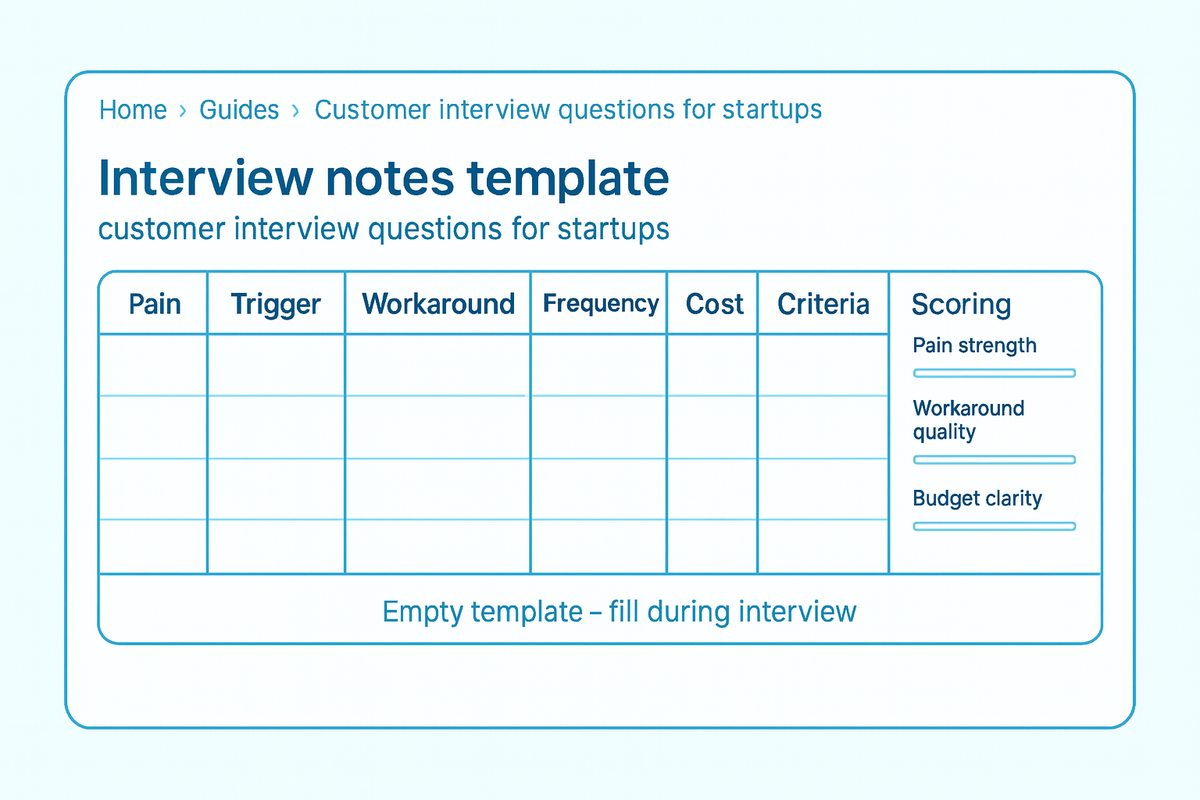
Do not treat an LOI as equal to cash. If someone signs a document but will not put down a deposit, the pain might not be bad enough. Start with past behavior. If you want to learn how to ask questions that reveal past spending rather than future promises, The Mom Test is a strong baseline.
5. Fulfill the Promise with Manual Onboarding
When someone finally pays you, the real work starts. A common mistake is securing the presale, then emailing the client a PDF manual or a video tutorial when the alpha is ready. If you rely on self-serve onboarding at this stage, you risk killing the conversion. The product is unproven, and early friction can destroy trust.
Join the calls. Support the client team directly. Your immediate job is not just to teach the users; your job is to observe exactly where the usage breaks. High-touch, unscalable support is your advantage, because this manual work fulfills the exact promise you made in the presale. The founders of Superhuman used this kind of manual onboarding approach to ensure early users actually experienced the value.
FAQ
How do you presell SaaS before building the product?
Act as a design partner. Find a fast-moving customer segment, offer to solve their specific problem manually like an outsourced engineering team, set clear expectations with a one-pager, and ask for an upfront deposit.
Is it OK to ask for payment when we have nothing yet?
Yes, it is a very strong demand test. You are not tricking them. You are offering custom help to solve a known problem. If the problem is painful enough, they often pay for the outcome before the code is ready.
What is the difference between a presale, LOI, and design partner agreement?
A presale involves actual revenue or a deposit. An LOI (Letter of Intent) is a non-binding promise to keep talking or buy later. A design partner agreement is the framing you use to explain why you are charging them now for a product that is not fully built yet.
Should we use a complex legal agreement for the presale?
Keep it practical. Procedural diligence is not real diligence. Outline the terms clearly to avoid wasting weeks on a contract. Have legal counsel review formal commitments, but try not to let it block the initial ask.
How do we find these alpha customers?
Manually. Do not try to build a scalable acquisition process yet. Go to where the buyers already are. Find them one by one. Stripe's guide to early sales explains how to navigate those first manual conversations. Your goal is insight, not volume.