TL;DR: Product discovery is not a phase before development; it is a parallel risk-reduction track. Starting an agile sprint with a backlog built on founder conviction often leads to building the wrong product framing or workflow. Run lightweight discovery loops one sprint ahead of delivery. Use interviews, fake doors, and simple prototypes. This forces a reality check on your riskiest assumptions before you commit expensive engineering time.
The Most Expensive Sprint
Picture a sprint planning session. The founder fills the next two-week sprint with tickets that feel obvious. The backlog looks organized. But the tickets reflect the founder's own belief, not customer evidence.
The team moves fast. They spend the sprint building complex functionality for a new subscription tool. Then, three short customer conversations and one rough prototype test reveal the painful truth. Users do not see the product the way the founder does. They compare it to a $20 automated app, not a $140 coaching service. And they only experience the core problem once a year, making a monthly subscription impossible to sell.
That is the concrete reason discovery must run alongside building. It is not a ceremony. It is a forcing function before the team commits more engineering time.
Product discovery in agile means testing your riskiest assumptions with real users. Do this before your engineers write a single line of code for them. It is a continuous process of interviewing, prototyping, and validating. It runs in parallel with active development sprints.
Why Product Discovery in Agile Matters
When the backlog is built on conviction alone, the team builds the wrong framing, the wrong workflow, or the wrong pricing model. A team might sprint on a complex feature to support broad use cases, like handling every obscure file format. But they might not validate how often users actually encounter those edge cases. They might not check how painful those cases really are.
Product discovery in agile is not research before building. It is the habit of checking the next risky belief before engineers spend another sprint turning it into product.
The Method: One Sprint Ahead
Discovery does not ask whether users like the idea. It asks what they do now, what they tried before, and what would make them switch. To get those answers without slowing down development, run your discovery work one sprint ahead of delivery.
Validate the next risky assumption while engineers build the already-validated slice. This lean product discovery process protects expensive engineering resources.
Practical Framework: 2-Week Sprint Map
Use this worksheet to map your assumptions and tests within the sprint rhythm.
Assumption: Users want automated onboarding
Fastest Test: Fake door link
Decision Rule: If < 20% click, keep manual onboarding
Next Sprint Impact: Pull automated flow ticketAssumption: Users will pay monthly
Fastest Test: Concierge pitch
Decision Rule: If users state they solve this annually, pivot
Next Sprint Impact: Change billing engine to annualAssumption: Format X is required
Fastest Test: Past behavior interview
Decision Rule: If no user mentions Format X unprompted, delay
Next Sprint Impact: Kill edge-case support ticket
Note: Adjust these thresholds based on your specific market, sample size, and risk level.
The Tools of Tactical Discovery
Keep the work small enough to fit inside the sprint rhythm. You do not need a massive research phase. You need a product discovery framework built for speed.
Lightweight prototypes: A rough prototype is useful even when it is ugly. It forces the team and the customer to react to the same thing, clarifying what the product should actually be. Good product discovery ux relies on observing how users interact with these rough concepts. Do not wait for polished designs.
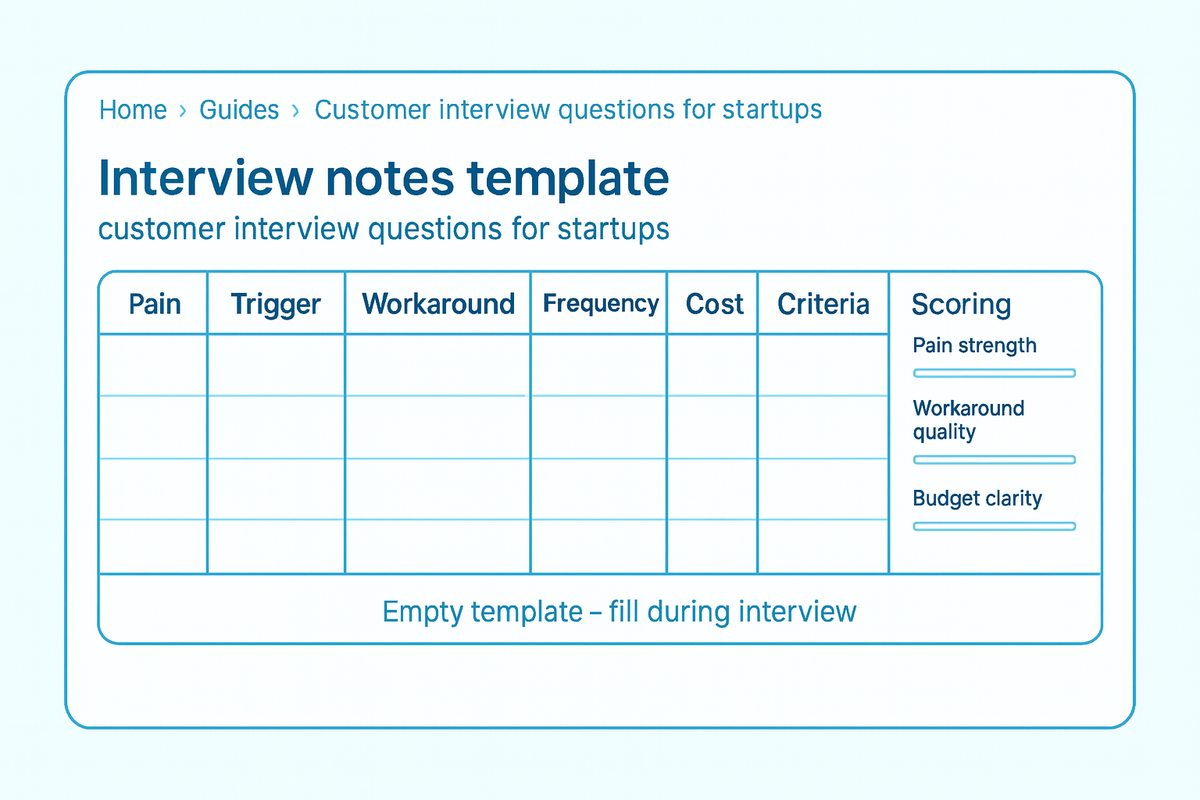
Past-behavior interviews: Founders love asking customers, "What do you think about this?" or "Would you use this?" This forces polite lies instead of actionable insights. Instead, study their past performance and behavior. Ask how they solve the problem today. This is a core principle often taught in The Mom Test.
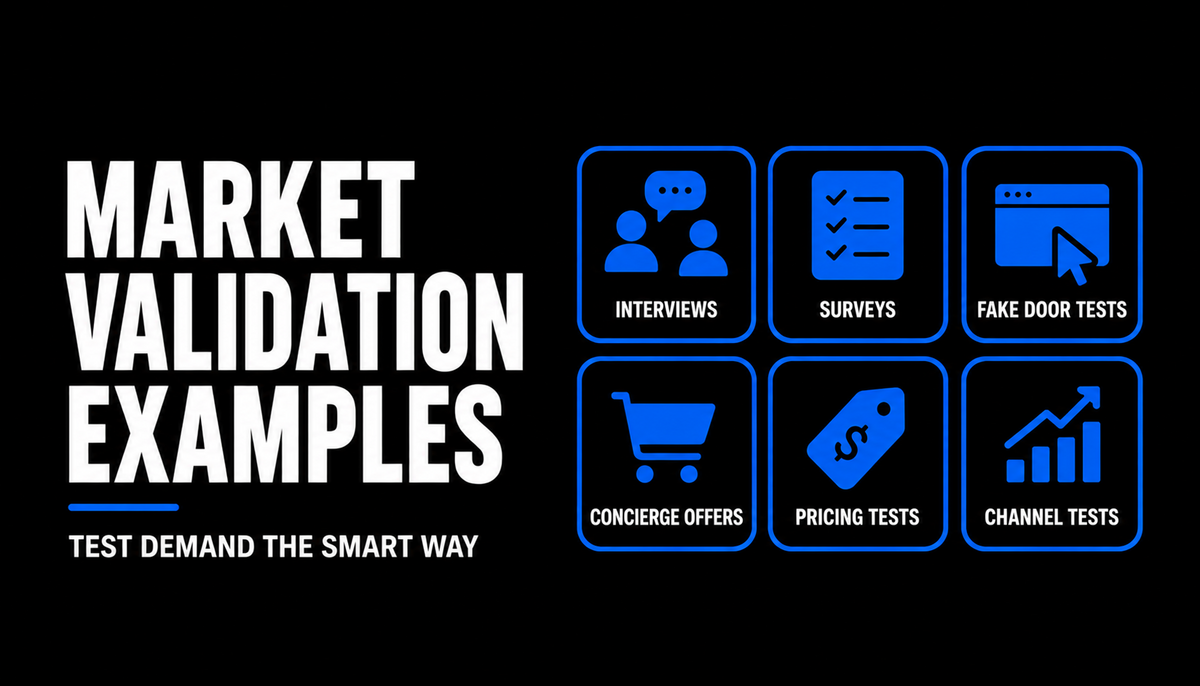
Fake doors and concierge tests: Test demand before building the backend. If users complain about a missing feature, celebrate. A complaint means the user is trying to fit the product into a real workflow.
Turning Findings Into Tickets
The output of discovery is not a research report. The output is a decision. Discovery findings become clearer tickets, killed tickets, or changed positioning.
During backlog refinement, only promote tested assumptions into build work. This approach ensures the engineering team is always working on validated problems. It is often discussed in modern product management practices.
FAQ
Do we have to halt engineering while we do discovery?
No. Discovery runs in parallel. Engineers build what was validated last sprint. At the same time, the founder or product manager tests the assumptions for the next sprint. Treating discovery as a parallel track is standard in customer development.
What should discovery produce before sprint planning?
Discovery should produce confident decisions, not long research reports. Before sprint planning begins, you should know whether a risky assumption is true or false. This turns vague ideas into clear, validated tickets. It can also kill them entirely before engineering time is wasted.
What if early adopters want manual onboarding instead of our automated flow?
Founders watch successful onboarding flows of big SaaS companies. They assume their onboarding must be scalable immediately. At the early stage, the goal is not to impress anyone with scale. The main purpose of early onboarding is to deeply understand the customer's context and workflow. Manual onboarding is fine if it creates that understanding.
How do we find early alpha customers to test these assumptions?
Manually. It is not about a scalable acquisition process. Go to where the customers already are. Invite them directly, onboard them, and ensure they receive real value.